
Commercial / Life Safety
Commercial Emergency & Exit Lighting Installation
Emergency and exit lighting isn’t something you install once and forget about. It’s a code requirement, and it’s the system that guides people out of a building safely if the power ever goes out. One of the commercial electrical services I provide for businesses and multi-unit buildings across Lowell and the Merrimack Valley, done right the first time.
What This Service Covers
New installation of emergency lighting units and exit signs, upgrades of older units to LED, and battery backup systems that keep lights running during an outage. I place fixtures along exit routes, stairwells, and corridors so occupants have a clear, lit path out of the building if the power fails.
Whether you’re finishing a new commercial buildout, converting a building to condos, or replacing units that have aged out, I’ll make sure the placement and equipment meet current code. This pairs naturally with a broader lighting upgrade if you’re doing both at once. Related commercial work:
01
Why Emergency & Exit Lighting Is Required
Emergency and exit lighting isn’t optional in most commercial and multi-unit buildings. It’s required so people can find their way to an exit when the regular lighting goes out, whether that’s from a power outage, an electrical fault, or an emergency.
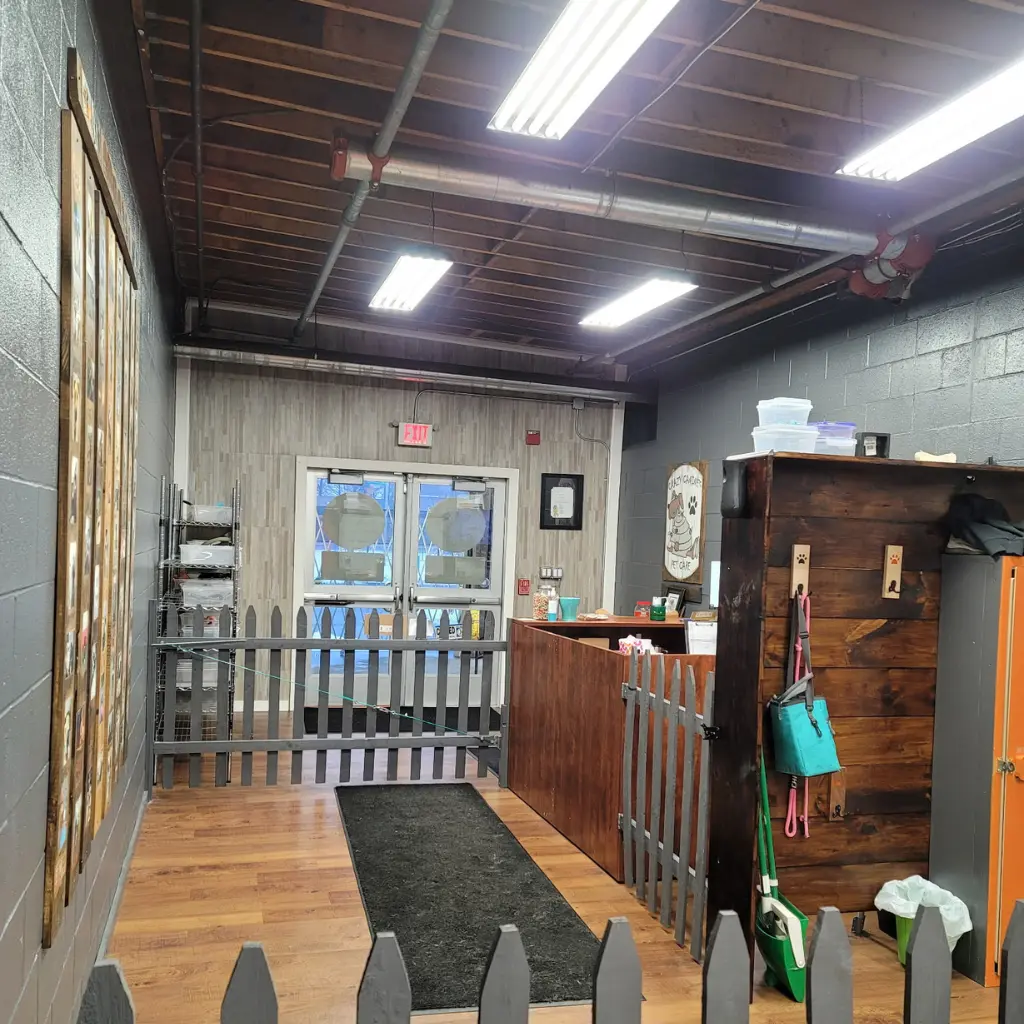
Buildings that require two or more exits generally need emergency lighting along those egress paths under the Massachusetts building code, which is based on the International Building Code. Failing that requirement at inspection can hold up a certificate of occupancy or an opening date.
2+ exits
buildings requiring two or more exits generally need emergency lighting along the egress path
10 units
the threshold under MGL Ch. 143 §21D where an independent auxiliary emergency lighting system becomes mandatory
02
Massachusetts Law for Condo & Multi-Unit Buildings
If you own or manage a condo or multi-unit building in Lowell, there’s a specific state law worth knowing. Under Massachusetts General Laws Chapter 143, Section 21D, any multiple dwelling of 10 or more units must have an auxiliary emergency lighting system independent of the regular electrical system, along with illuminated exit signs marking both a primary and a secondary way out.
This comes up more often than people expect in Lowell, where a lot of new condo development is happening inside converted mill buildings and older commercial structures downtown. A building that started as a warehouse or a factory floor and is now 10, 20, or more residential units falls squarely under this requirement, even though it wasn’t originally built as a place people would be sleeping in.
To be clear: this statute applies at the 10-unit threshold. Smaller conversions may still have emergency lighting requirements under the broader building code depending on occupancy and exit configuration, but the auxiliary system mandate kicks in at 10 units and up.
03
Testing & Maintenance Requirements
Once emergency and exit lighting is installed, it has to be tested regularly to stay compliant. Under NFPA 101, the Life Safety Code, units need a monthly functional test of at least 30 seconds, plus a full annual test where the system runs on battery power for a minimum of 90 minutes..
TESTING AT A GLANCE
30 sec
monthly functional test, minimum duration
90 min
annual test on battery power, minimum duration
Written
records kept for the authority having jurisdiction
04
Emergency Lighting in Lowell’s Converted Mill Buildings
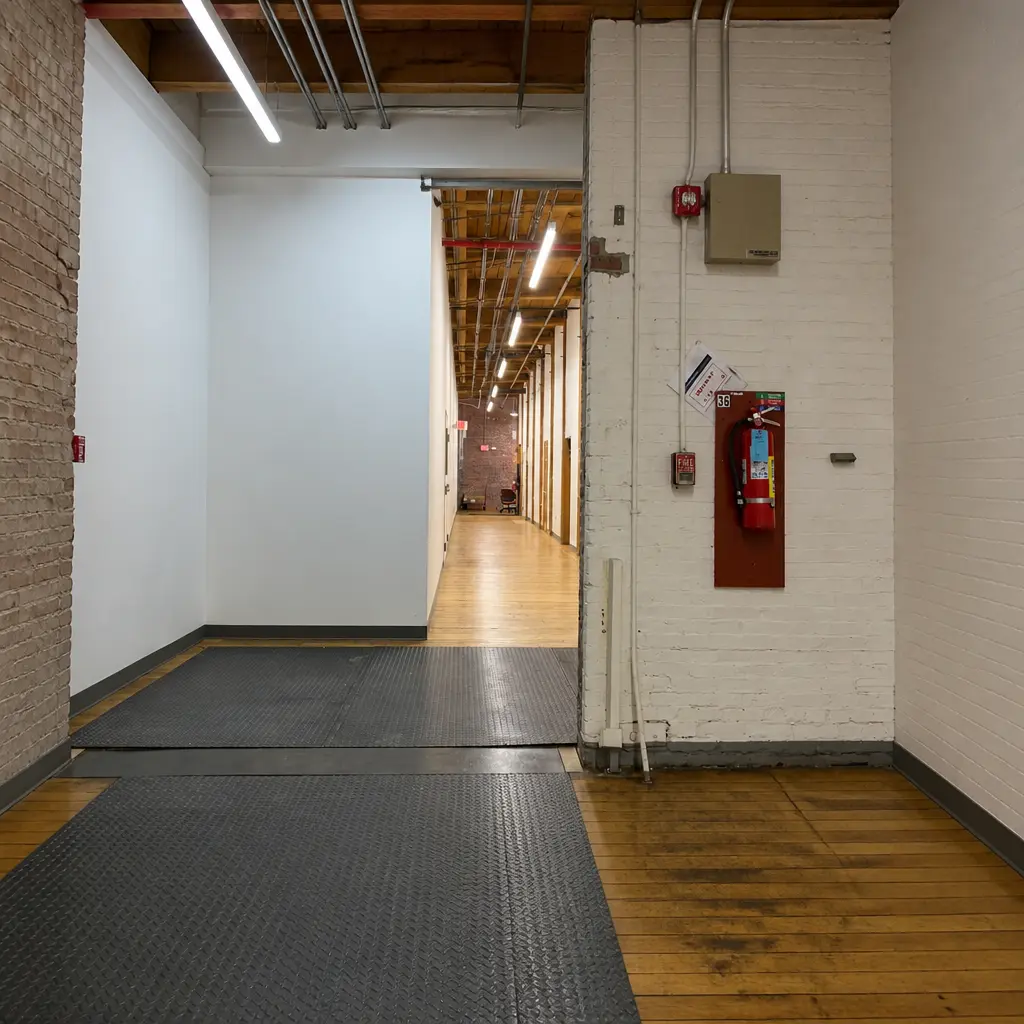
Mill buildings turned into condos and offices bring their own challenges. Ceilings are often higher than standard, walls are brick or heavy timber, and the original electrical infrastructure was designed for industrial machinery, not life safety systems. Placement has to account for sightlines that aren’t straightforward, long hallways that curve around original structural columns, and egress paths that don’t follow the layout a newer building would have.
The Massachusetts auxiliary lighting law for buildings of 10 or more units comes up constantly in these conversions, since many hit that threshold once the space is divided into residential units. Older buildings like these need more planning than an off-the-shelf install, and I plan for that from the start rather than treating it as a surprise partway through the job.
05
Seasonal Considerations for Lowell’s Climate
Summer
70s
low-to-mid summer humidity, alongside 45 to 48 inches of rain a year
Humidity at that level can accelerate corrosion on battery terminals and connections over time, which is exactly the kind of wear that stays invisible until a unit is asked to actually run.
Winter
Teens
overnight lows during a cold snap, in degrees Fahrenheit
Cold like that can temporarily reduce battery capacity in backup units, so a unit that passed a warm-weather test may not hold the full 90 minutes in January.
Because of this, it’s worth having emergency lighting checked more than once a year in this climate, not just at the standard annual test. A check before the humid summer months and again before winter can catch wear before it turns into a failed unit during an actual outage.
06
How I Approach the Installation
I start by looking at your building’s occupancy type and exit layout to figure out exactly what’s required and where. From there I’ll install or upgrade the units, wire in battery backup where needed, and make sure exit signage is placed where it needs to be. When the work is done, I’ll walk you through your ongoing testing requirements.
If your building’s electrical capacity needs a look too, an older panel that can’t support additional emergency circuits for instance, I can handle that as part of the same project. Here’s more on commercial panel upgrades if that’s part of the picture.
You’re dealing with one accountable point of contact the whole way through, and I bring on a helper when the unit count or the schedule calls for it.
Why Lowell Businesses Choose Julio
Licensed since 2004. MA License #10489-B.
One point of contact, start to finish. The person who walks the egress path is the person who installs the units.
Code and occupancy read first. Placement follows your exit layout, not a generic fixture count.
Extra hands on bigger buildings. A helper comes on when scope or schedule demands it, and I’m still accountable for the work.
General liability insurance. Covered, in writing, before work starts.
Familiar with Lowell’s mill-conversion buildings. High ceilings, masonry walls, and egress paths that don’t run straight.
24/7 emergency availability. A business can’t afford to wait on an electrical problem, and neither do I.
5.0-star rating on Google. Reviews from homeowners and business owners in the area.
Free estimates. No hard sell, no guessing over the phone. Se habla Español.
Ready to get your Emergency Lights installed? Send a quick message and I’ll follow up directly.
Permits & the Massachusetts Electrical Code
Emergency and exit lighting work in Lowell falls under the 2026 NEC (527 CMR 12.00), effective for permits granted after April 24, 2026, with life safety requirements coming from the state building code and NFPA 101. I pull permits when they’re required through the city’s Division of Development Services (375 Merrimack Street, Room 55, Lowell, MA 01852) and schedule the inspection when the work is done. Current fee details are posted on the city’s Electrical Permit Fees page.
On a life safety system the inspection matters more than usual: a failed emergency lighting inspection can delay a certificate of occupancy or an opening date, which is a far more expensive problem than the install itself. Getting placement and battery duration right the first time is the point.
What I Handle
Pulling the permit
Scheduling the inspection
Meeting the MA Electrical Code
Any corrections that come back
LICENSE #10489-B
MA Electrician – Licensed since 2004
Rated 5.0+ on Google
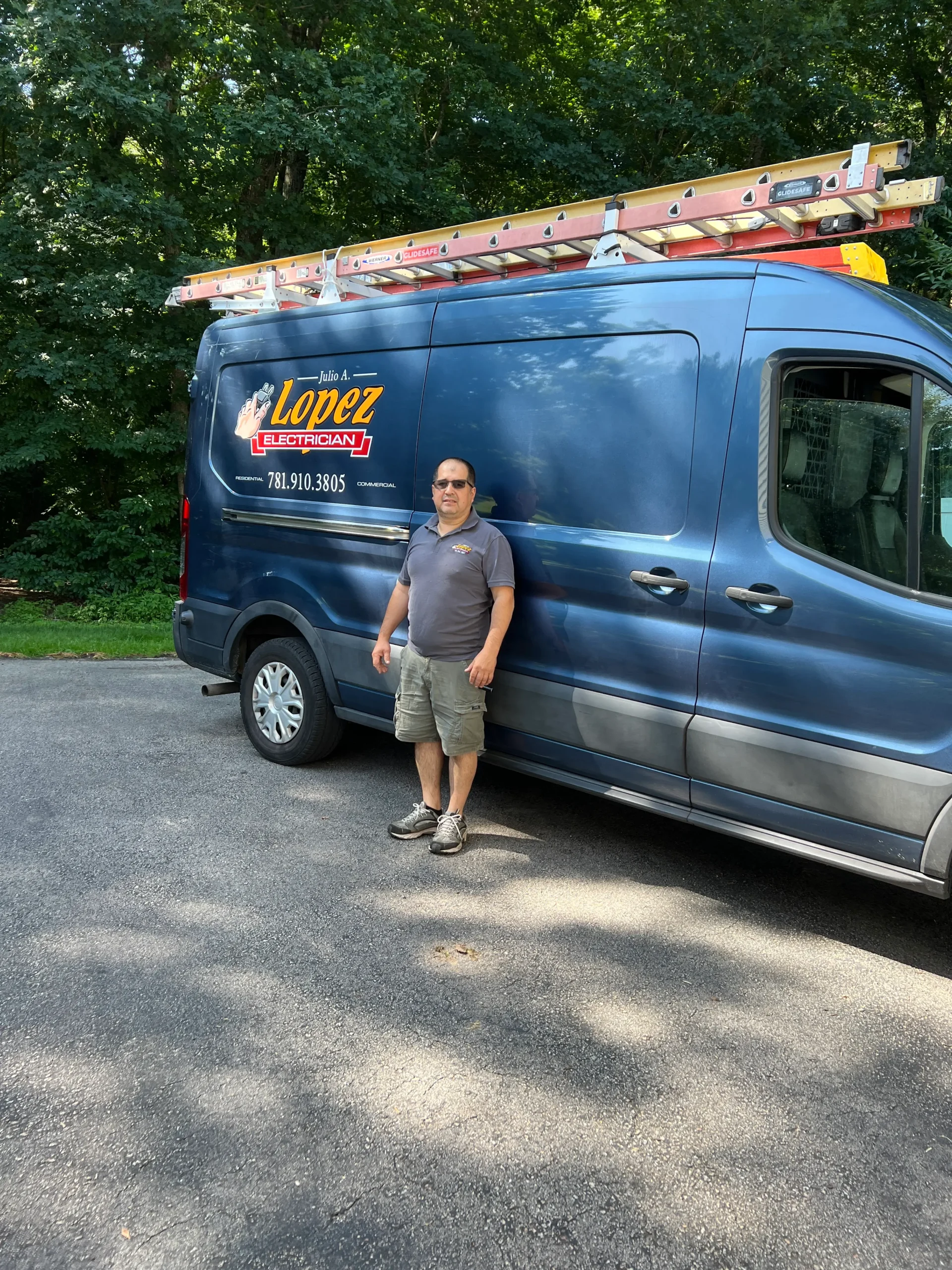
About Julio Lopez, Licensed Lowell Electrician Since 2004
I’ve been doing electrical work in the Merrimack Valley since 2004. I keep things simple: I show up, explain what needs doing, and do the job properly.
No hard sell, just honest work from someone who takes pride in it.
Read More About My BackgroundLicensed Electrician MA #10489-B
Fully Insured
Lowell and Merrimack Valley Businesses We Serve
I install and service emergency and exit lighting throughout Lowell, including downtown, Belvidere, Centralville, Pawtucketville, and the Acre, as well as the surrounding Merrimack Valley towns like Chelmsford, Dracut, and Tewksbury. See the full list on my service areas page.
Emergency & Exit Lighting FAQ
Do all condo buildings in Lowell need emergency lighting?
Not automatically. Under Massachusetts law, any multiple dwelling with 10 or more units must have an auxiliary emergency lighting system and illuminated exit signs. Smaller buildings may still have requirements under the general building code, so it’s best to have a licensed electrician assess your property.
How often does emergency lighting need to be tested?
Units require a monthly functional test of at least 30 seconds and a full annual test where the system operates on battery power for at least 90 minutes. Written records must be kept for the authority having jurisdiction.
Can you retrofit an older building with emergency lighting?
Yes. This is common with Lowell’s older commercial buildings and mill conversions. I evaluate the existing conditions and install or upgrade units to meet current code, accounting for high ceilings, masonry walls, and egress paths that don’t run straight.
Do I need a permit for emergency and exit lighting installation in Lowell?
In most cases, yes. I pull the required permits through the city’s Division of Development Services as part of the job and handle the process for you.
What happens if my building fails a fire safety inspection for emergency lighting?
The inspecting authority issues a notice with the deficiencies and a compliance deadline. I can respond quickly to repair or replace failed units, correct code violations, and help you schedule re-inspection.
Is one electrician enough for a building this size?
For most emergency lighting installations, yes, and you get one person who read the exit layout and knows the building’s quirks. On a large multi-unit conversion or a tight turnaround before an inspection date, I bring on a helper so the job stays inside the window we agreed on.
Is upgrading old units to LED worth it, or should I just replace batteries?
It depends on the age of the units. Once housings and batteries are both near end of life, replacing with LED units usually costs less over time than repeated battery service, and newer units hold the required 90-minute run more reliably. I’ll tell you which way I’d go after seeing what you have.
What Lowell Businesses Say About Julio

Ready to Talk About Your Emergency Lighting?
Call or text and I’ll get back to you with a straight answer and a free estimate. Serving Lowell, Dracut, and the rest of the Merrimack Valley.