
Residential / Hot Tub & Pool Wiring
Hot Tub and Pool Wiring
Water and electricity in the same backyard need to be handled exactly right. I wire hot tubs, spas, and above-ground pools for homeowners across Lowell and the Merrimack Valley as part of my residential electrical services.
What Hot Tub and Pool Wiring Covers
This page covers wiring for hot tubs, spas, and above-ground pool equipment: the dedicated circuit, GFCI protection, proper bonding, and the emergency disconnect switch that safety codes require. This is sized for the kind of residential installs a solo electrician handles well, hot tubs, above-ground pools, and similar backyard setups, not large in-ground commercial pool systems.
Why GFCI Protection and Grounding Aren’t Optional
ESFI is direct about this: every electrical device used outside near a pool or spa needs GFCI protection, and that includes equipment people don’t always think of as “electrical,” like pool cleaning tools. Everything needs to be properly grounded too. The Consumer Product Safety Commission has tracked roughly 60 electrocutions and nearly 50 serious electrical shock injuries around pools since 1990, and faulty wiring, missing GFCI protection, and skipped grounding are exactly the kind of thing behind those numbers.
This can get more complicated in Lowell’s older homes, where the existing wiring sometimes isn’t grounded to begin with. Adding a properly grounded, GFCI-protected circuit for a hot tub in a home like that isn’t just plugging in a new breaker, it may mean addressing the grounding itself first.
~60
pool-related electrocutions tracked by the CPSC since 1990
01
The Emergency Disconnect Switch
Hot tubs and spas need an emergency shutoff for the recirculation and jet system, positioned within sight of the tub and at least 5 feet away. It has to be genuinely accessible, not buried behind equipment or across the yard, so that anyone can cut power quickly if something goes wrong. That placement rule takes a little more planning on some of Lowell’s tighter lots, especially in neighborhoods like Centralville where backyards and property lines sit closer together than in a lot of suburban settings.
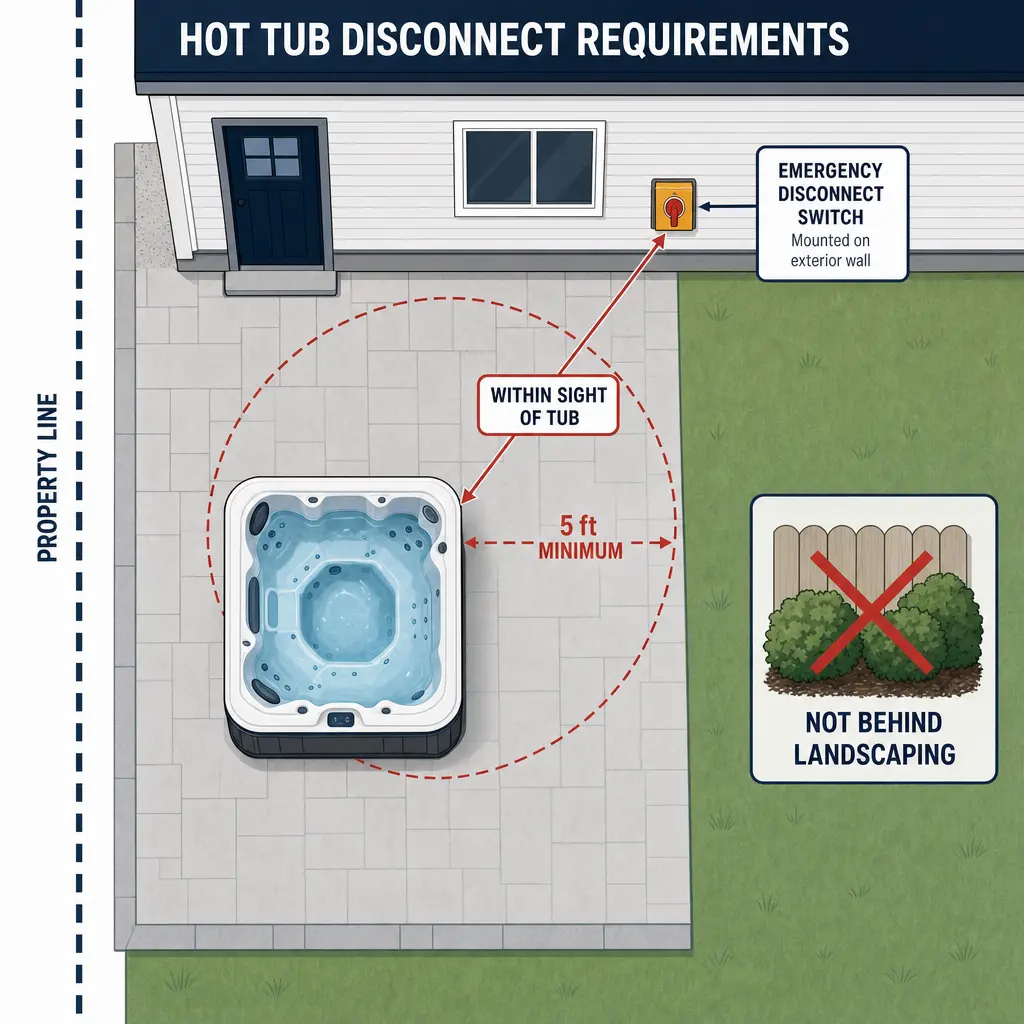
5 ft.
minimum distance the disconnect must sit from the tub, while staying within sight
5 ft.
minimum distance the disconnect must sit from the tub, while staying within sight
02
Bonding: The Part People Don’t Think About
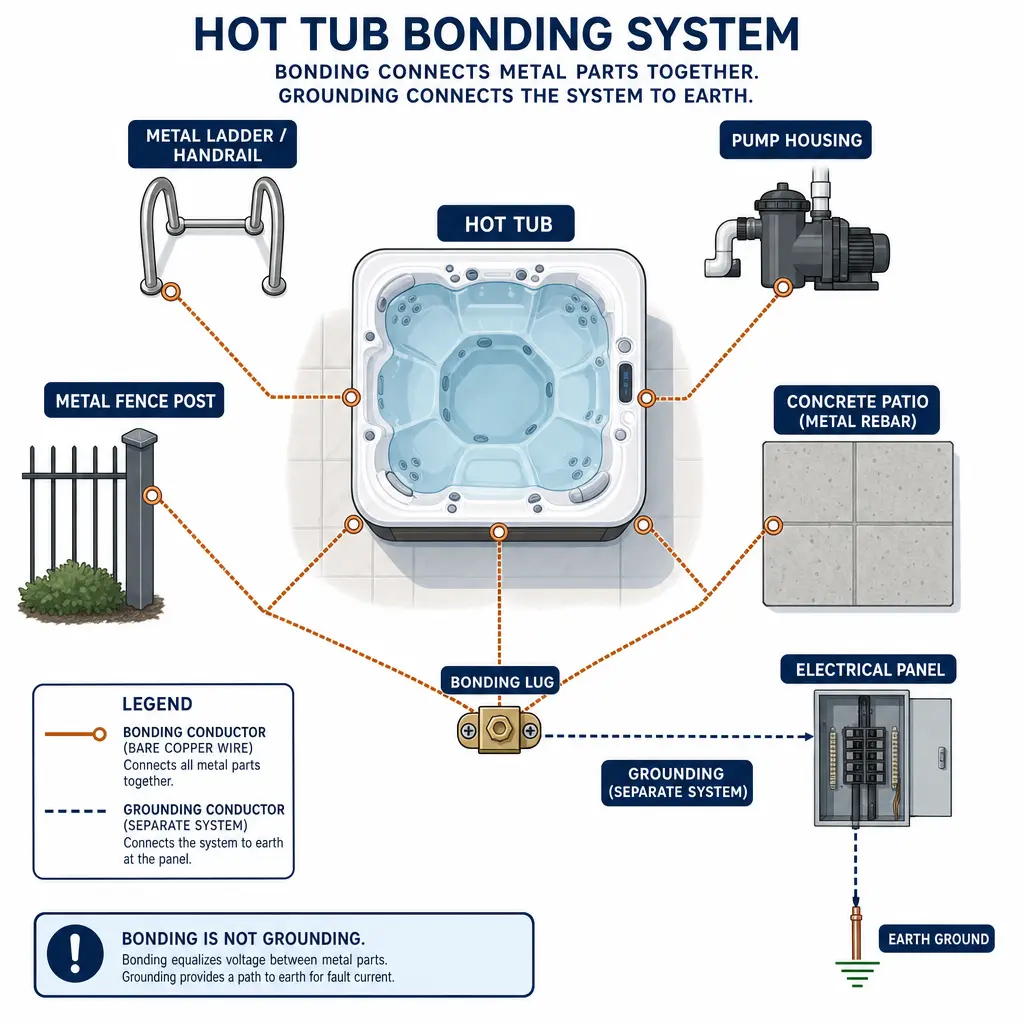
GFCI protection isn’t the whole picture. Bonding ties together all the metal parts near a pool or hot tub, ladders, handrails, pump housings, sometimes even reinforced concrete, so nothing near the water can end up at a different electrical potential than anything else. It’s a separate system from grounding, and it’s easy for someone unfamiliar with pool and spa wiring to miss entirely, since it doesn’t show up as an obvious circuit or outlet.
Older backyards around Lowell sometimes add their own wrinkle here too: older metal fencing or a concrete patio close to the tub needs to be considered as part of the bonding picture, not just the tub itself. Done right, it’s one of the less visible parts of the job, and one of the most important.
Does My Electrical Panel Have Enough Capacity?
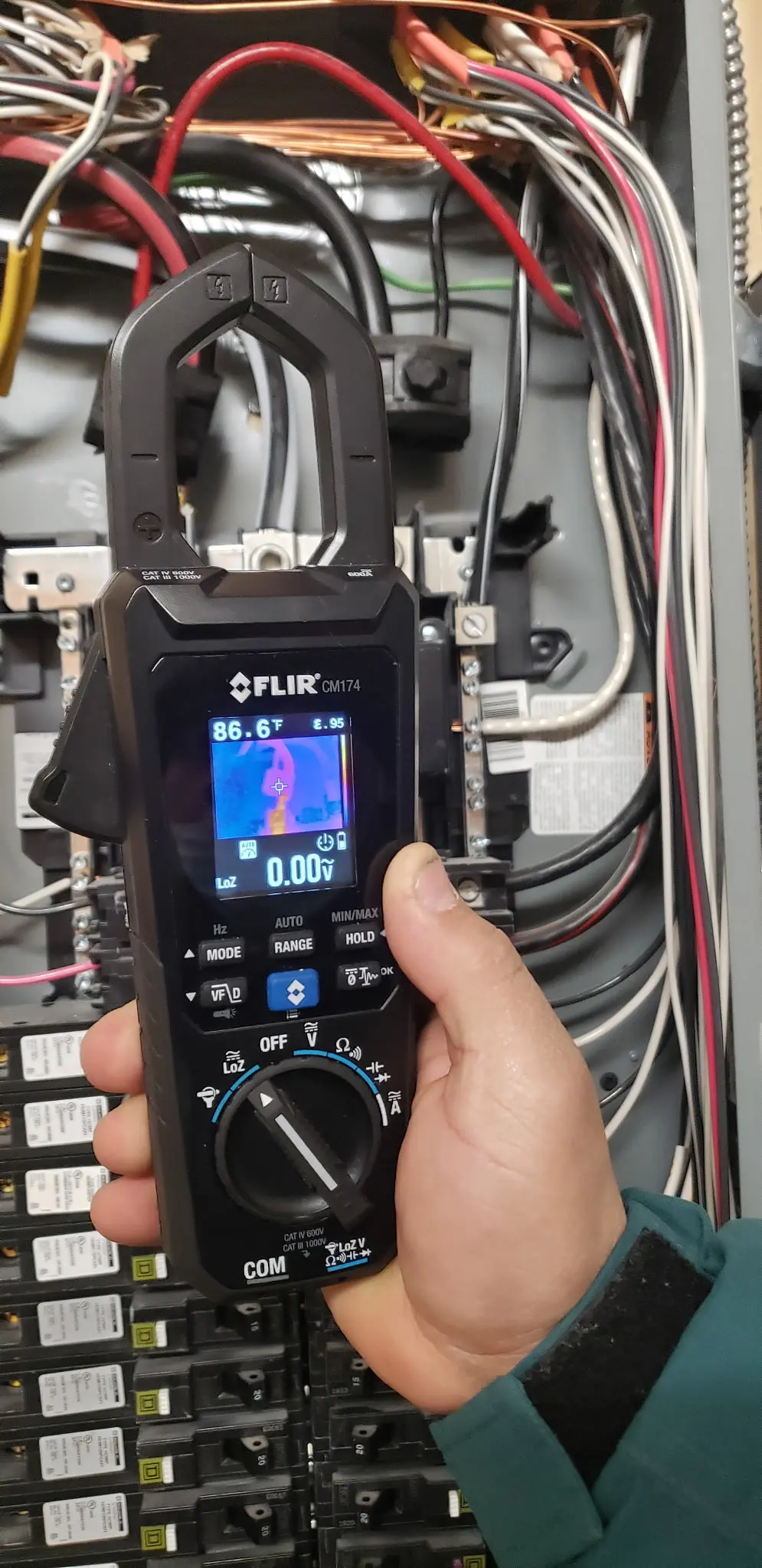
Most hot tubs need a dedicated 240-volt circuit on top of whatever your panel already carries. Older Lowell homes, especially those still running 100-amp service, sometimes don’t have the extra capacity without an upgrade first. I check this before quoting the job, not after. If a panel upgrade or subpanel is what it takes to add the hot tub safely, I’ll tell you that upfront.
Why Lowell Homeowners Choose Julio A. Lopez?
Licensed since 2004. MA License #10489-B.
You deal with me, not a dispatcher. I work solo, so the person who quotes the job is the person who does it.
Electrical problems don’t wait for business hours, and neither do I.
I don’t skip bonding. It’s the part that’s easy to miss and the part that actually matters most.
5.0 stars, Google reviews. People tend to mention the same things: on time, honest, cleans up after himself.
General liability insurance. Covered, in writing, before I touch a panel.
Free estimates. No pressure, no obligation.
Se Habla Español.
Wiring Hot Tubs in Lowell’s Older Homes: What You Need to Know
A lot of Lowell’s housing stock, especially in neighborhoods like Belvidere, Pawtucketville, and Centralville, predates a hot tub’s electrical demands by decades. Older panels, sometimes still fuse boxes, sometimes 100-amp services already carrying a full modern household load, weren’t built with a dedicated 240-volt hot tub circuit in mind. Some of these homes still have knob-and-tube wiring tucked away somewhere too, which is worth knowing about before adding a major new load like a hot tub.
Before I run a single wire, I check the panel’s capacity and the condition of the existing wiring.
240V
dedicated circuit most hot tubs require, on top of the existing household load
Can I Wire a Hot Tub Myself?
Technically, some homeowners try. In practice, hot tub wiring sits right at the intersection of high voltage, water, and code requirements that aren’t optional, GFCI protection, bonding, and a properly placed disconnect. Get any of that wrong and you’ve got a hazard that isn’t obvious just from looking at it. This is one area where having a licensed electrician handle it isn’t overkill, it’s the point.
Hot Tub Electrical Installation Cost
It depends on the equipment, the distance from your panel, and whether any panel upgrades are needed first. I don’t publish flat rates because every job is different. A free, no-obligation estimate gives you a real number based on your setup.
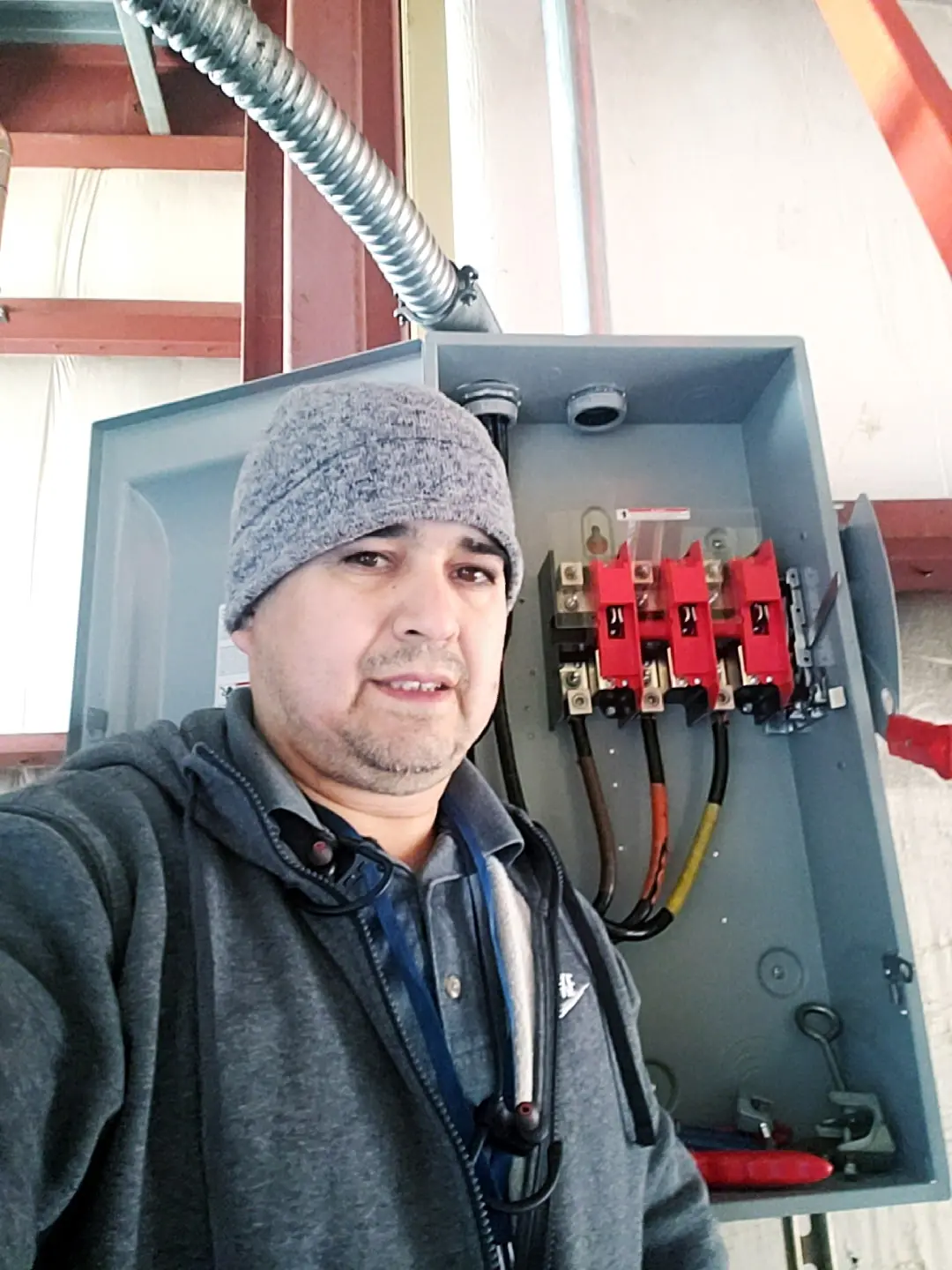
About Julio Lopez, Licensed Lowell Electrician Since 2004
I’ve been doing this work since 2004, mostly on my own, which means less time explaining things to a stranger in a truck and more time actually getting the job done. I keep things straightforward: I’ll tell you what needs doing, why, and what it costs before I start. I’m based right here in Lowell. Read more about my background.
LICENSE #10489-B
MA Electrician – Licensed since 2004
Rated 5.0+ on Google
Lowell Neighborhoods and Merrimack Valley Towns We Serve
I cover Lowell, including neighborhoods like Belvidere, Pawtucketville, and Highlands, plus the surrounding Merrimack Valley towns such as Dracut and the rest of the service area.
Hot Tub and Pool Wiring FAQ
Does a Hot Tub Need Its Own Dedicated Circuit?
Yes. Hot tubs need a dedicated circuit sized to the manufacturer’s specifications, not shared with other appliances or outlets. I always verify the circuit rating matches the tub’s requirements during the estimate.
Why Does Bonding Matter If I Already Have GFCI Protection?
GFCI protection and bonding do different jobs. GFCI cuts power quickly if it detects a ground fault. Bonding keeps all the metal parts near the water at the same electrical potential, so there’s less chance of a shock hazard developing. Both are required, and neither replaces the other.
Where Does the Emergency Disconnect Switch Need to Go?
It must be within sight of the hot tub or spa and at least 5 feet away, genuinely accessible so anyone can reach it quickly. I position it so it’s easy to see and use, not hidden behind landscaping or equipment.
Do I Need a Permit for Hot Tub or Pool Wiring in Lowell?
Yes, in most cases. Electrical work for a hot tub or pool typically requires a permit and inspection through the City of Lowell. I handle the permit process and coordinate inspections as part of the job.
How Much Do Electricians Charge to Hook Up a Hot Tub?
It depends on the equipment, panel capacity, and distance from the panel. A free estimate gets you a specific number for your setup.
How Long Does It Take to Wire a Hot Tub?
Most straightforward hot tub wiring jobs take a day. If a panel upgrade is needed first, that adds time. I’ll give you a realistic timeline as part of the estimate.
What Lowell Homeowners Say About Julio

Ready to Wire Your Hot Tub or Pool Safely?
Whether it’s a new hot tub or an above-ground pool setup, I’ll wire it to code, GFCI protection, bonding, and disconnect included. Serving Lowell, Dracut, and the rest of the Merrimack Valley.